Industry Knowledge
Nut Strength Grades and What They Actually Mean for Joint Integrity
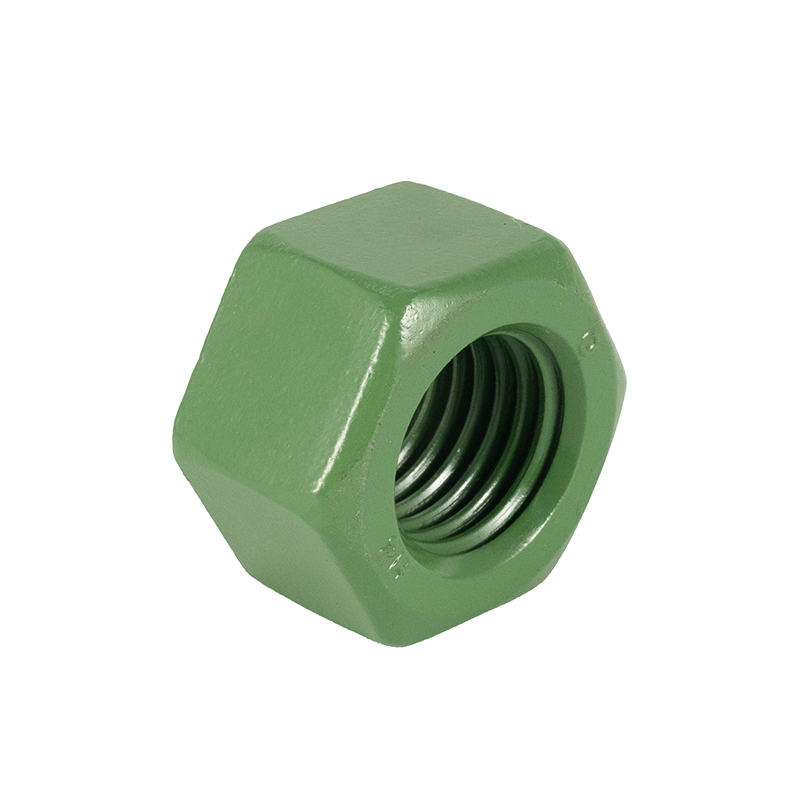
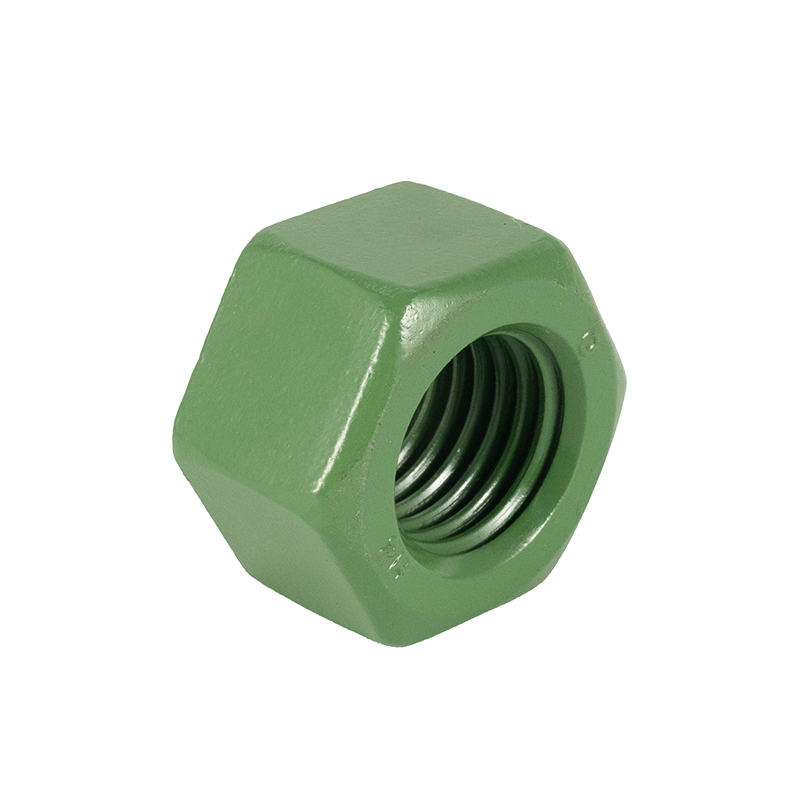
Nut strength grade markings are frequently misunderstood as a standalone specification, when in reality they only have structural meaning in the context of the bolt they are paired with. A Grade 8 Carbon Steel Nut paired with a Grade 4.8 bolt does not create a stronger joint — it creates a mismatched one, where the softer bolt thread will strip before the nut reaches its load limit, producing a failure mode that is both brittle and difficult to detect during inspection. The correct pairing rule is that the nut proof load must meet or exceed the bolt's minimum ultimate tensile load at the same thread diameter, which is why ISO 898-2 specifies nut grades not by tensile strength alone but by the stripping ratio — the ratio of nut thread shear area to bolt tensile stress area.
For Carbon Steel Nuts, the practical pairing matrix is: Grade 4 nuts with Grade 4.6 and 4.8 bolts (general construction, non-critical assemblies); Grade 8 nuts with Grade 8.8 bolts (structural steel connections, machinery bases); Grade 10 nuts with Grade 10.9 bolts (high-load automotive and heavy equipment applications). Using a lower-grade nut with a high-grade bolt — a substitution that occurs when procurement sources components separately — shifts the failure locus to the nut threads, producing a stripping failure that releases clamp load suddenly rather than the yielding elongation that high-grade bolt failure would produce. In seismic and dynamic load applications, this distinction is the difference between a joint that warns before failing and one that does not.
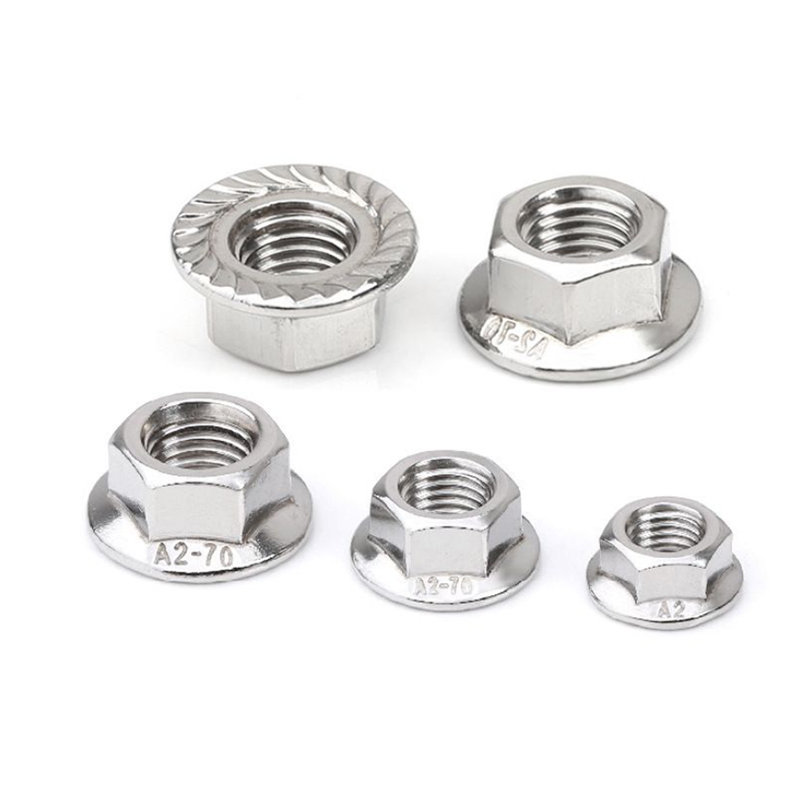
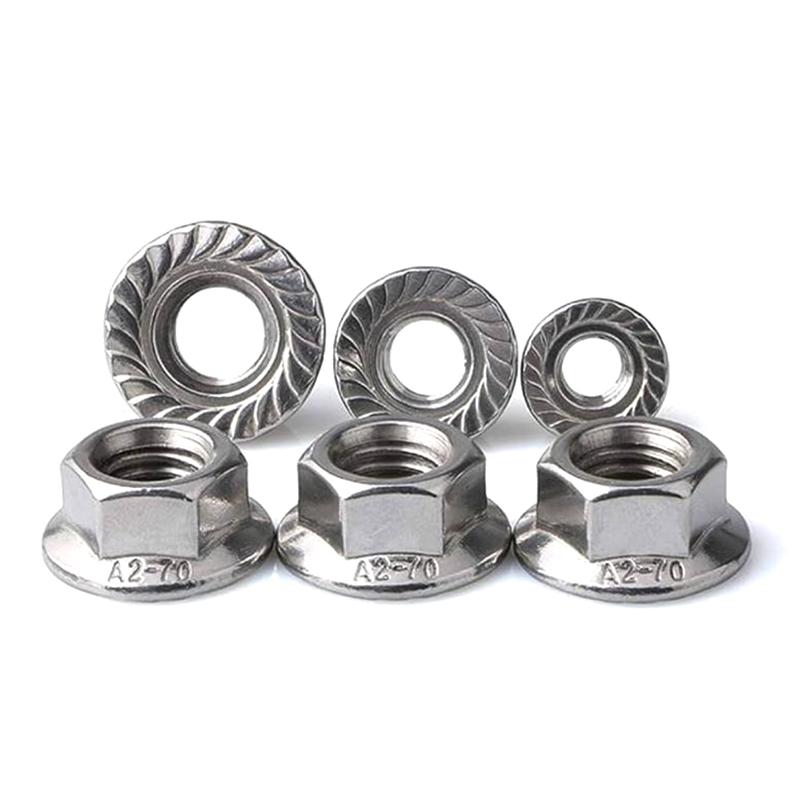
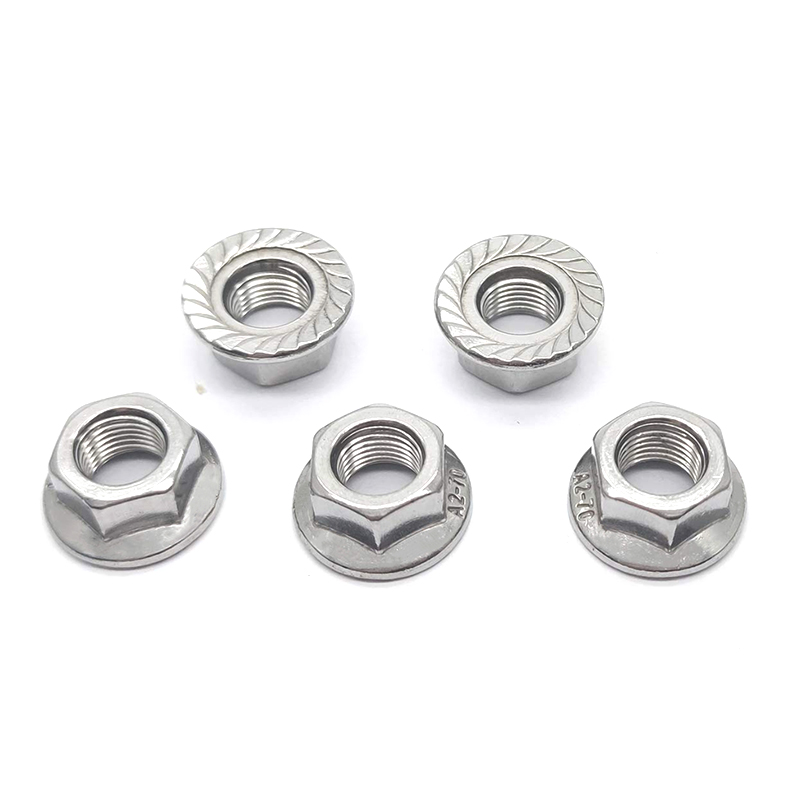
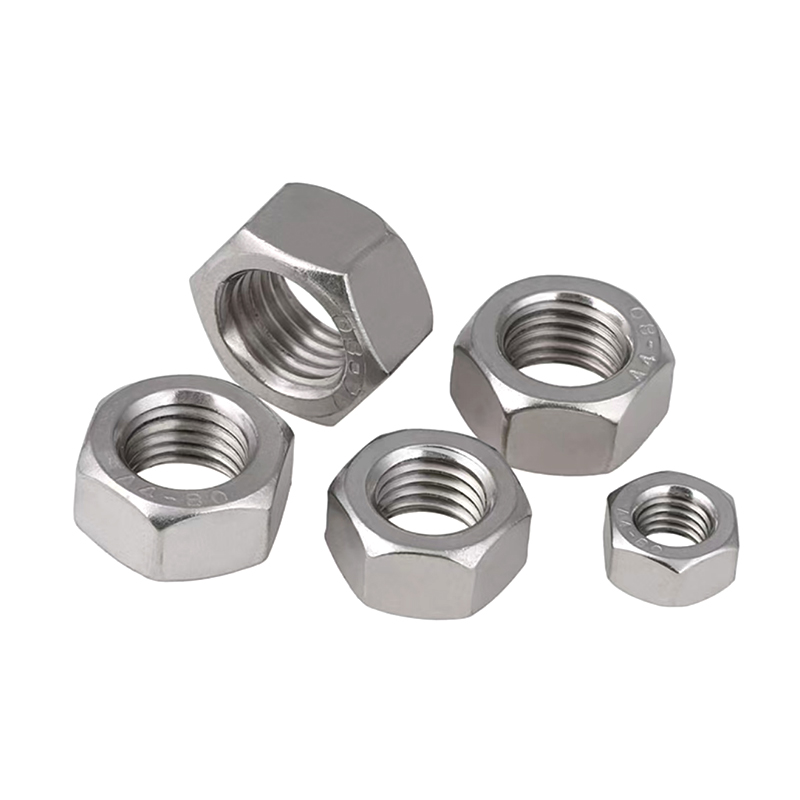
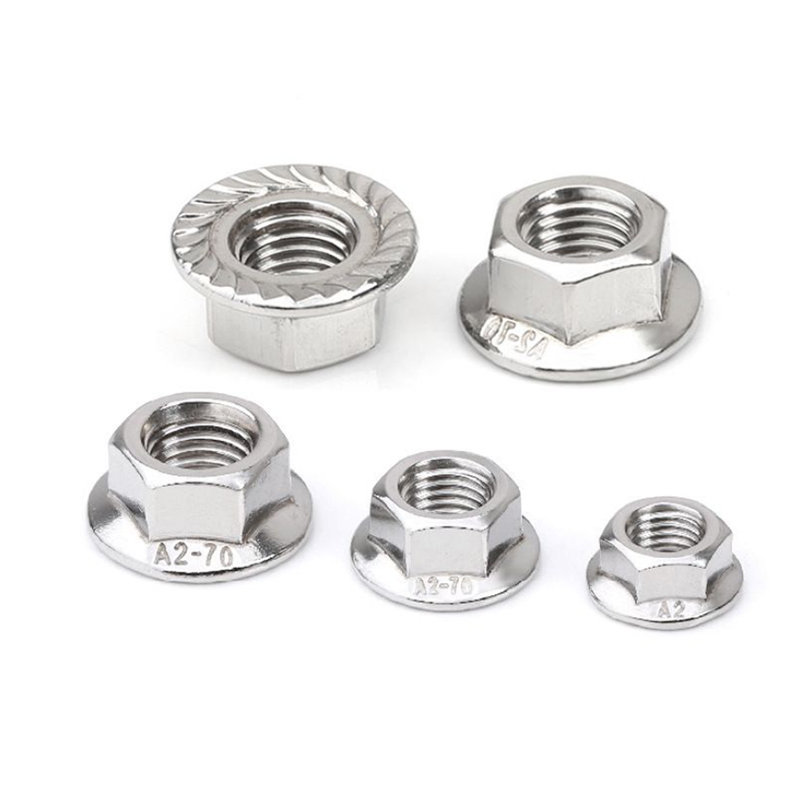
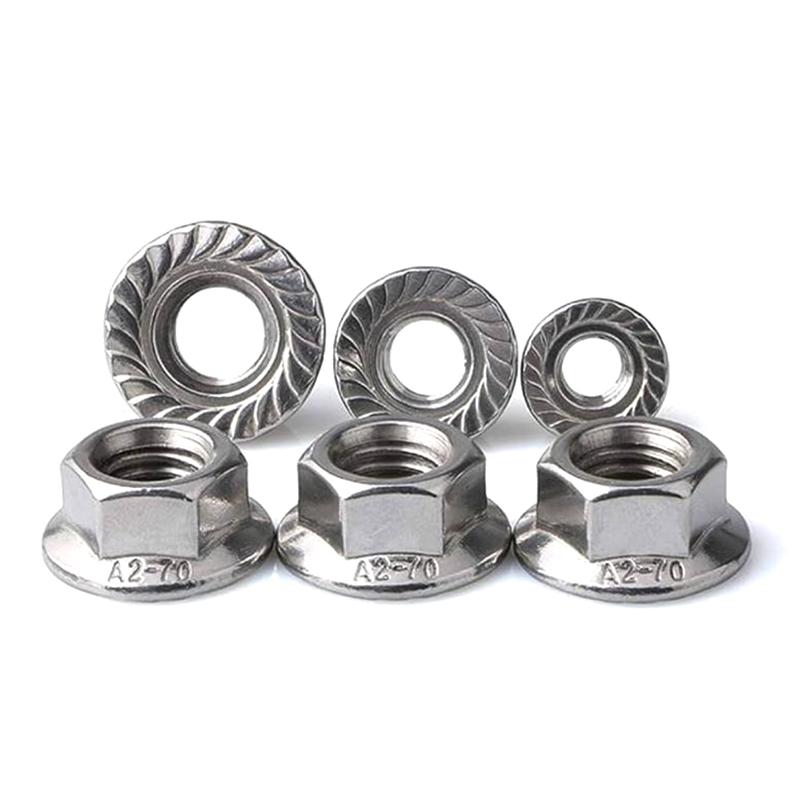
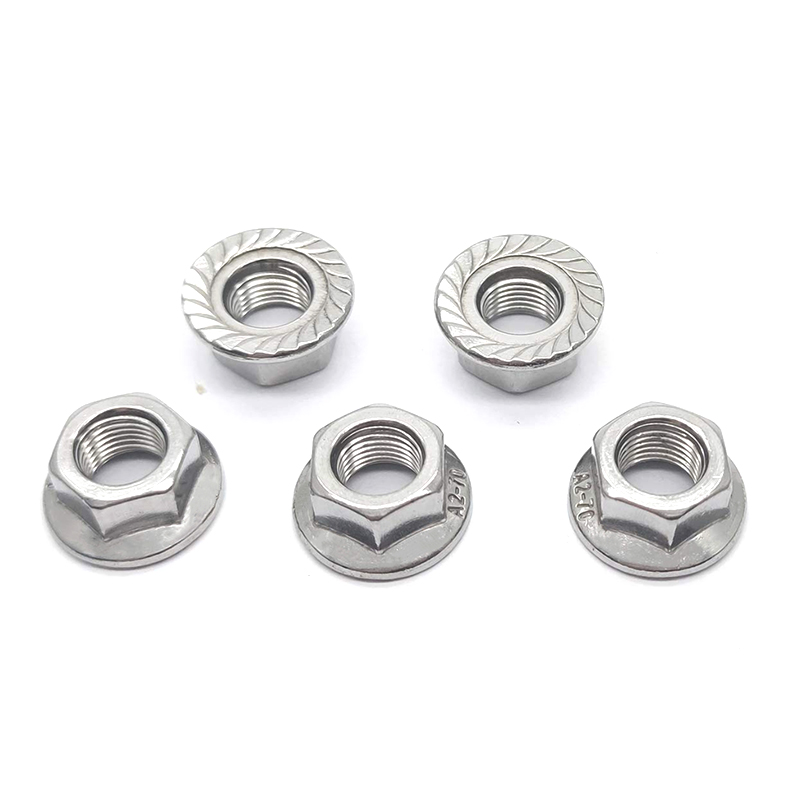
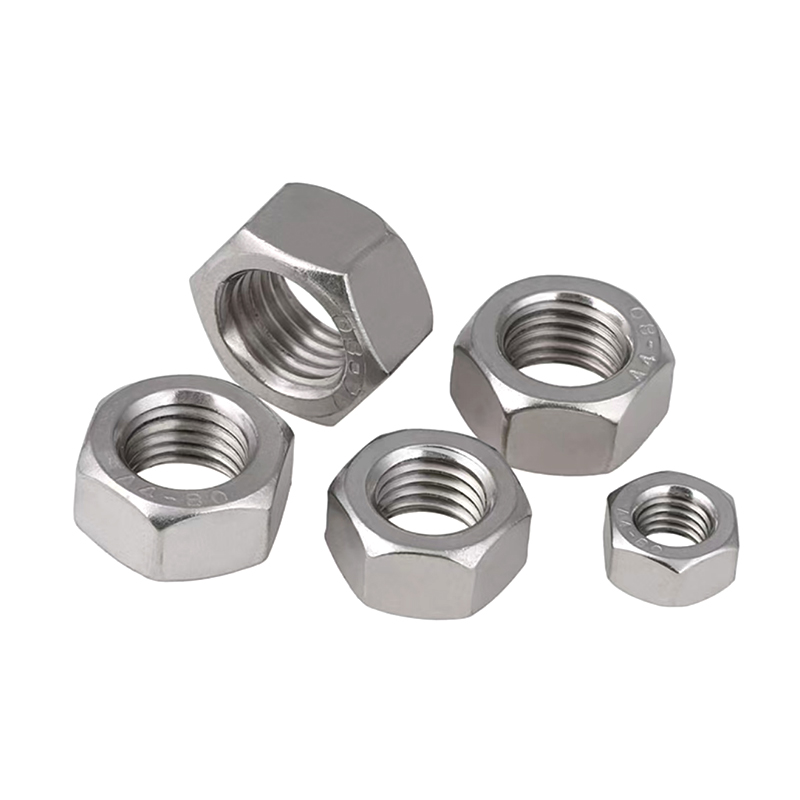
Stainless Steel Nuts introduce an additional complication: austenitic grades 304 and 316 cannot be heat-treated to achieve the proof load levels of Grade 8 or Grade 10 carbon steel. The A2-70 and A4-70 designations (for 304 and 316 respectively) correspond to a minimum tensile strength of 700 MPa — equivalent to approximately Grade 7 in the carbon steel system. Where higher clamping force is required in corrosive environments, A4-80 (316 SS, 800 MPa minimum) is available but must be explicitly specified, as A4-70 is the default supply grade in most markets and the two are visually indistinguishable without marking verification.
Spring Washer Mechanics: When Elasticity Prevents Loosening and When It Does Not
The anti-loosening mechanism of a spring washer is frequently cited but rarely examined in detail — and the gap between the assumed and actual mechanism explains why spring washers fail to prevent loosening in certain vibration environments. The common explanation is that the washer's spring-back maintains clamp load as the joint settles. This is partially correct for low-frequency, low-amplitude vibration. However, research — particularly the Junker vibration test (DIN 65151) — has demonstrated that under transverse (shear-direction) vibration at frequencies above approximately 10 Hz, standard split spring washers can actually accelerate loosening. The mechanism is counterintuitive: the washer's sharp edges, intended to bite into the bolt head and substrate, create stress concentrations that initiate micro-slip at the thread interface rather than inhibiting it.
Understanding this allows engineers to select the right washer type for the application rather than defaulting to a standard split washer for all vibrating assemblies:
- Standard split spring washers (Carbon Steel Washers, DIN 127) — Effective in low-frequency vibration environments (below 5–8 Hz) such as slowly reciprocating pumps and low-speed industrial conveyor drives. The split gap provides enough elastic recovery to compensate for embedding losses and mild thermal cycling. Not recommended as the sole anti-loosening measure in high-frequency motor or fan assemblies.
- Heavy-duty spring washers — Thicker cross-section and wider split than standard DIN 127, providing greater spring deflection range. Better suited to connections with significant embedding losses (soft substrate materials, painted surfaces) where standard washers deflect fully and become rigid before embedding is complete. Common in electrical panel mounting and HVAC equipment bases.
- Corrugated (wave) spring washers — Multiple contact points distribute the spring load more evenly and allow greater total deflection without permanent set. Used in precision instrument mounting and light assemblies where the bolt is not fully torqued to proof load, and the washer must function as a compliant element across a range of preload values.
- Stainless Steel Washers (304/316 spring grade) — Required when the base environment eliminates carbon steel options. Note that standard 304 austenitic stainless has lower yield strength than hardened carbon spring steel, meaning a Stainless Steel Washer of identical geometry will have less spring force than its carbon steel equivalent. For applications requiring both corrosion resistance and high spring force, 316 stainless in a heavy-duty profile or a disc spring (Belleville) configuration is the engineered solution.
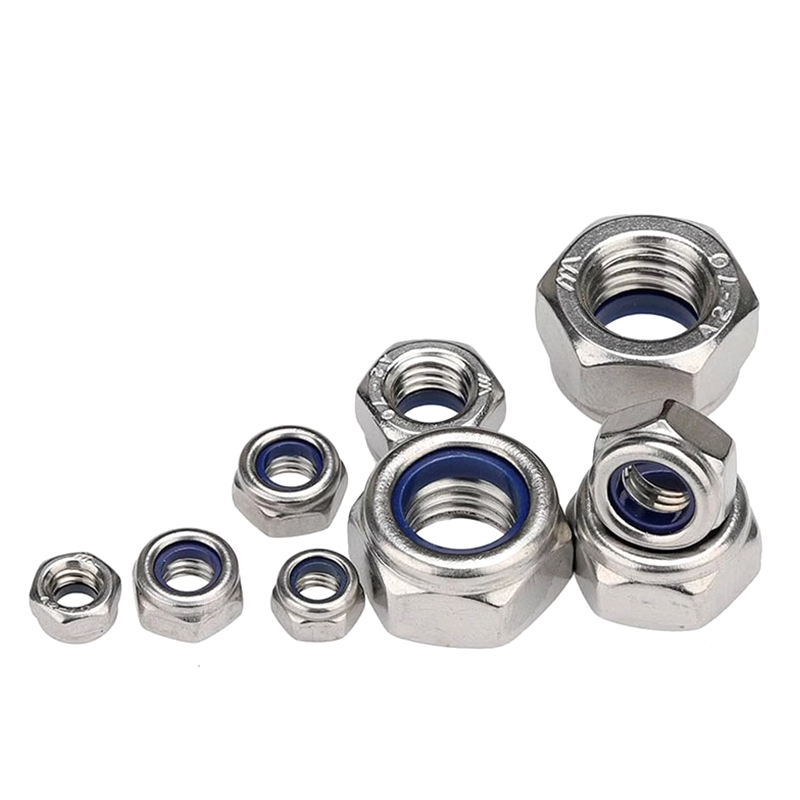
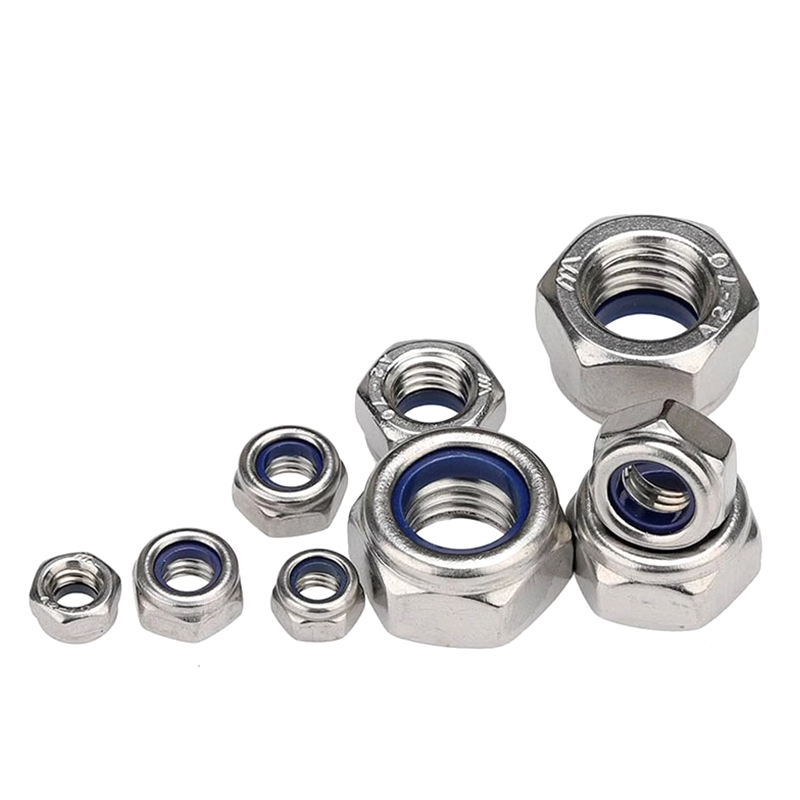
For motor, vehicle, and fan assemblies operating above 15 Hz, the most reliable anti-loosening strategy pairs a prevailing-torque locking nut (nylon insert or all-metal deformed thread) with a flat washer for load distribution — not a spring washer alone. Spring washers serve best as a supplement to adequate preload, not as a replacement for it.
Galvanic Compatibility Between Nuts, Washers, and Substrate in Corrosive Environments
Selecting corrosion-resistant nuts and washers independently of each other and of the substrate they contact is one of the most common causes of accelerated joint corrosion in outdoor and marine installations. Galvanic corrosion requires three conditions simultaneously: two metals with different electrochemical potential, a conductive electrolyte (moisture, humidity, salt spray), and a continuous metallic path between them. In a bolted joint, these conditions are frequently met at every contact interface — bolt-to-nut, washer-to-substrate, and washer-to-bolt-head — which means each interface must be evaluated independently for galvanic compatibility.
| Fastener Material |
Substrate Material |
Galvanic Risk |
Recommended Mitigation |
| Carbon Steel Nut + Carbon Steel Washer |
Mild steel / structural steel |
Low (matched metals) |
Zinc coating or Dacromet on all parts |
| Stainless Steel Nut + Stainless Steel Washer (304/316) |
Aluminum extrusion |
Moderate — SS is noble, Al corrodes |
PTFE or neoprene isolating washer between SS and Al |
| Carbon Steel Nut (zinc-plated) |
304 Stainless substrate |
Moderate — zinc sacrifices to SS in wet conditions |
Use SS nut or Dacromet-coated carbon steel |
| Stainless Steel Washer (316) + Carbon Steel Nut |
Carbon steel structure |
High — large SS cathode accelerates CS anode corrosion |
Avoid mixed SS washer / CS nut combination in wet outdoor use |
| Carbon Steel Washer (Dacromet) |
Galvanized steel |
Low (compatible zinc-based systems) |
Maintain coating continuity; inspect annually |
Galvanic compatibility matrix for common nut and washer combinations in outdoor and corrosive environments.
The area ratio rule is the most critical principle in mixed-metal joint design: when dissimilar metals must contact each other, the more noble metal (higher on the galvanic series) should always be the smaller area component. A small stainless washer contacting a large carbon steel structure produces less galvanic current — and therefore less corrosion — than a large stainless washer contacting a small carbon steel bolt head. This counterintuitive rule governs corrosion rate more than absolute potential difference, and understanding it enables practical mixed-material joint designs without requiring full galvanic isolation at every interface. As a manufacturer serving both automotive and industrial fastener markets, Shanghai Soverchannel Industrial Co., Ltd. applies this principle when advising customers on complete fastener assembly specifications — not just individual component selection.
Blackening, Dacromet, and Zinc Coating: Matching Surface Treatment to Operational Exposure
Surface treatment selection for Carbon Steel Nuts and Carbon Steel Washers is often reduced to a cost decision, when it should be an exposure-class decision. The three dominant treatment systems for carbon steel fasteners — blackening (black oxide), electroplating (zinc), and Dacromet coating — operate through fundamentally different corrosion protection mechanisms, which means their performance diverges sharply as environmental severity increases. Applying a cost-optimization logic to surface treatment without accounting for exposure class routinely produces failures within the first service season in outdoor industrial applications.
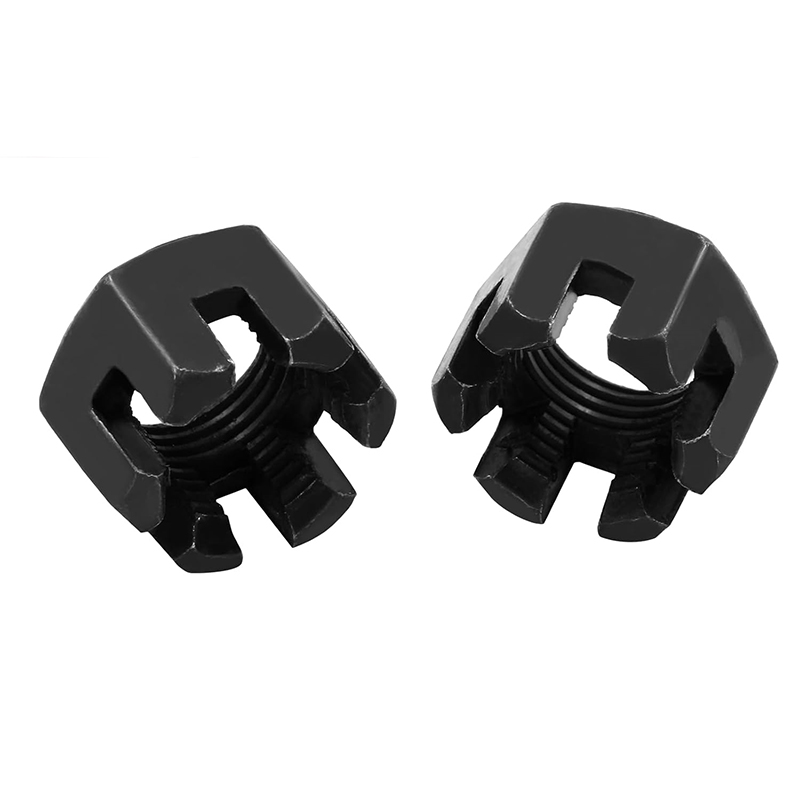
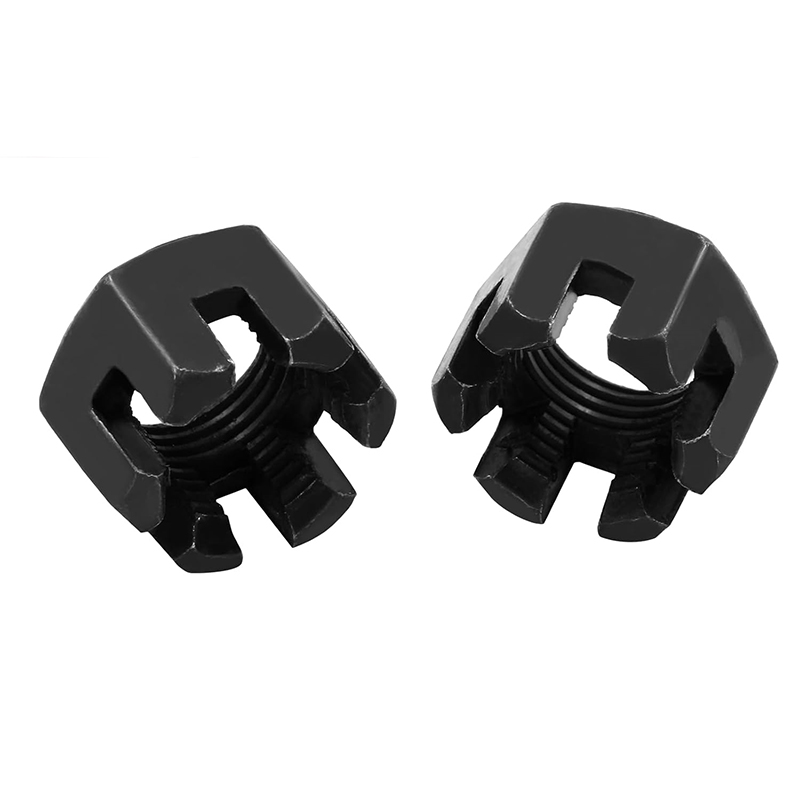
- Blackening (black oxide conversion coating) — Produces a magnetite (Fe₃O₄) layer typically 1–2 µm thick. Provides essentially zero barrier corrosion protection on its own — its only corrosion function is to retain oil or wax applied after treatment, which is the actual protective layer. Salt spray resistance without oil is under 2 hours. With oil, 24–48 hours. Appropriate for indoor precision components, hydraulic fittings, and tooling hardware where appearance (non-reflective black finish) and dimensional neutrality (no measurable thickness addition) matter more than outdoor durability. Specified for Stainless Steel Nuts and Carbon Steel Nuts in optical, medical, and electronics equipment housings.
- Electro-galvanizing (zinc electroplating, 5–12 µm) — Provides sacrificial zinc protection rated at 72–200 hours salt spray per ISO 9227, depending on thickness and passivation treatment (clear, yellow, or black chromate). Adequate for Service Class 1 (dry indoor) and Service Class 2 (occasional condensation, sheltered outdoor). Thread fit must account for coating buildup: a 12 µm bilateral zinc coating adds approximately 0.024 mm to thread diameter, which can tighten fit class tolerance from 6H to effectively 5H — relevant when Stainless Steel Washers or hardened flat washers are used in close-tolerance assemblies with plated nuts.
- Dacromet coating (zinc-aluminum flake, 4–8 µm) — Despite being thinner than electro-galvanizing, Dacromet achieves 500–1,500 hours salt spray resistance due to the dense, overlapping flake structure that creates a tortuous path for corrosive ions. Critically, Dacromet applies as a dip-spin or spray process that does not require acid pickling and therefore introduces no hydrogen embrittlement risk — the dominant reason it is specified for high-strength Grade 10.9 and Grade 12.9 nuts where electro-galvanizing is prohibited by most automotive and heavy machinery standards. The aluminum content in the binder also self-heals minor surface damage through preferential oxidation, extending field life in abrasion-prone environments such as outdoor construction joints and guardrail assemblies.
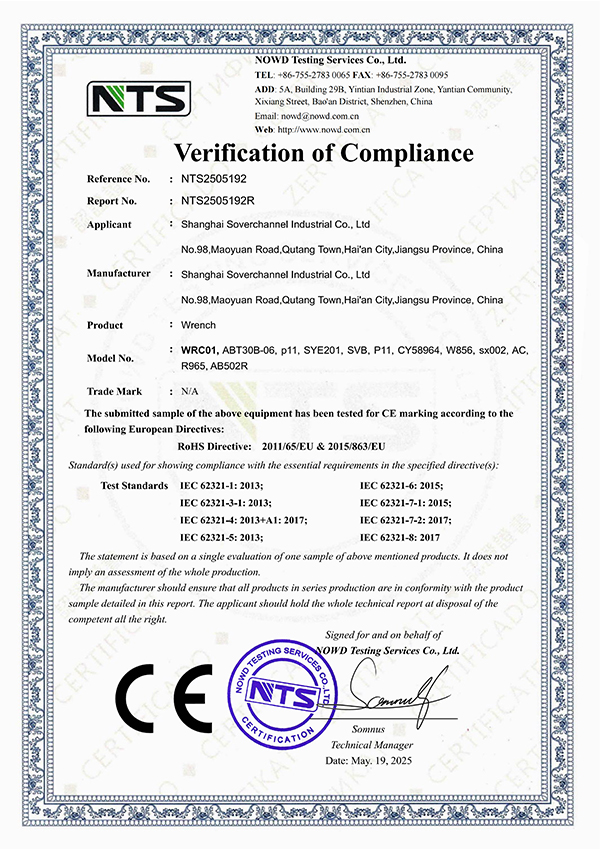
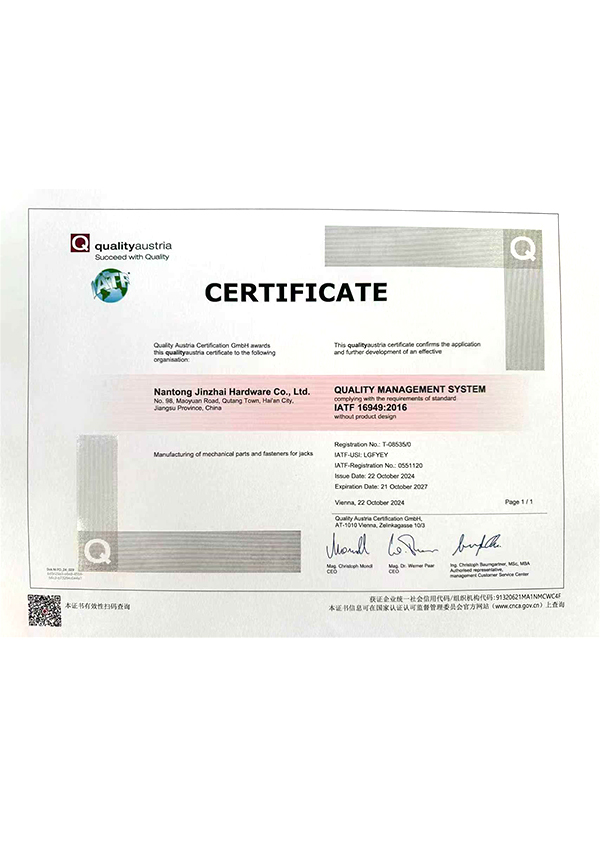
With a full-process inspection system developed through years of supplying the automotive fastener industry, Shanghai Soverchannel Industrial Co., Ltd. maintains coating thickness and adhesion verification as standard outgoing quality control steps for all treated Carbon Steel Nuts, Carbon Steel Washers, Stainless Steel Nuts, and Stainless Steel Washers — providing customers in engineering, construction, and industrial fields with the traceability documentation needed for project quality audits and long-term warranty compliance.